
Since We Last Talked
Since We Last Talked
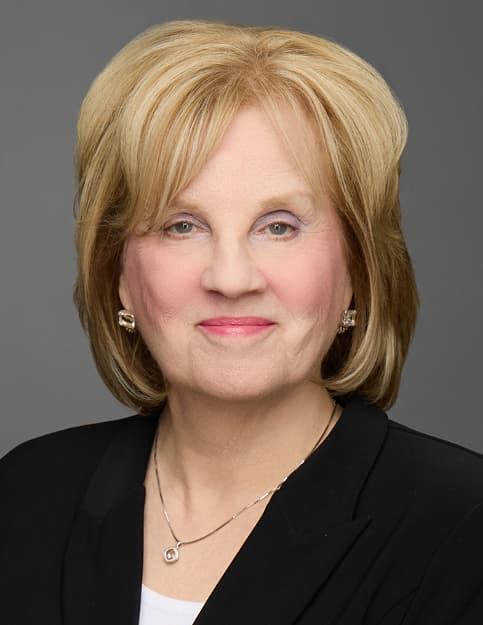
By Barbara Gellman-Danley, HLC President
Higher education remains very high on the radar of the public, states and the federal government. The recent Negotiated Rulemaking – Accreditation, Innovations, and Modernization (AIM) focused the lens on the role of accreditors in the larger ecosystem. This edition of News Brief includes information about the final draft language and impact on both institutions and HLC. The changes are significant for our work and lean into additional oversight and implementation of the current federal agenda. Institutional leaders need to become very familiar with the proposed regulations and the impact on the nation’s colleges and universities.
At the same time, activities in the states continue to focus on the best ways to improve and position higher education for the future. New methods for offering courses, certificates and programs are constantly in the news. The growth of artificial intelligence use in higher education receives a range of reactions ranging from strong strategic implementation to outright objections from various stakeholders. I think it’s safe to say there is no consistent agreement, but we can all acknowledge that AI will play a significant and growing role in the future. The growth is exponential, expedient, and more sophisticated every year, likely increasing at a pace unlike any other innovation we have seen to date.
At a recent HLC Board of Trustees meeting, the Board discussed both the future of higher education and the role of accreditation. HLC has the commitment and capacity to be prepared for imminent changes, coupled with our organization’s adaptive, AGILE methodology. Our staff is listening closely to institutional members who often seek our insight into dominant trends and the impact on their colleges and universities. At all times, we stand ready to be helpful and welcome the brainstorming interactions that help both your institutions and HLC meet the moment.
One recurring expectation from a variety of stakeholders is more transparency and reliable data-based outcomes reporting for graduates, disaggregated by program. This “movement” is gaining increased traction each year, and it is a bi-partisan issue emerging from concerns about the value of the degree. The ties to the workforce and job placement, as well as the cost of a degree compared with earnings is a heightened focus. Further, the need for more student-focused transfer policies is prominent in national discussions.
Mental stress remains very high within the wide spectrum of emerging trends. We are experiencing increased challenges in college presidencies, whose jobs are very different than in the past. The stress on all employees and students, however, is being addressed through a significant growth of support programs on campuses. Despite all of the pressures across the higher education spectrum, most express a palpable dedication to the work and the students. HLC will continue to stay on top of the emerging trends and market, and remain an important partner for our members as we come together to move collaboratively and productively in building the best higher education system in the world. By no means is this easy, but the collective commitment to all learners makes it very rewarding for all of us. HLC will continue to keep you informed through our newsletter, webinars and other communications.


Stay Connected
Subscribe to our email interest list to get news updates from HLC.