
Higher Learning 2026

Keynote Presentations

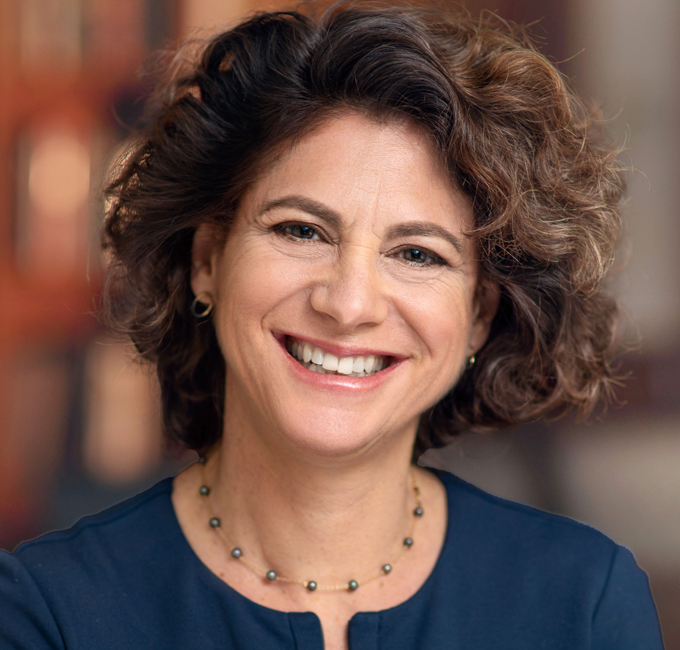
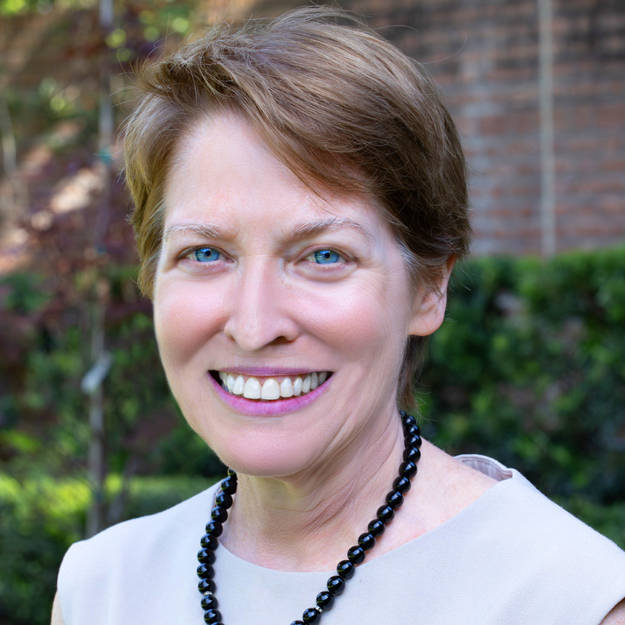
Tamar Gendler

Tamar Gendler

Vincent J. Scully Professor of Philosophy and Former Dean of the Faculty of Arts and Sciences, Yale University

Tamar Gendler will present on restoring trust and reimagining the value of higher education to kick off the conference on Saturday, March 21 at 5 p.m.

Tamar Gendler is the Vincent J. Scully Professor of Philosophy, and Professor of Psychology and Cognitive Science at Yale University. She was appointed the inaugural Dean of the Faculty of Arts and Sciences (FAS) at Yale in 2014. After serving a decade as FAS Dean, Tamar stepped down from her second term in December 2024. During her deanship, Gendler focused on building excellence and collaboration within and across traditional disciplinary boundaries. She has recruited some 400 new faculty to Yale in the humanities, social sciences, biological sciences, and physical sciences.

As an academic, Tamar’s research investigates the relation between imagination and belief, the contrast between rational and non-rational persuasion, and the role of habits in shaping behavior and judgment.

Many of these issues are explored in her Open Yale course, Philosophy and the Science of Human Nature. Her prize-winning philosophical writings have appeared in leading academic journals such as the Journal of Philosophy, Mind, and The Philosophical Quarterly. She also has longstanding interests in education policy and practice, having served in leadership roles at a range of universities and national organizations, and as an education policy analyst at the RAND Corporation.

Through an illustrious career spanning nearly three decades, Professor Gendler has garnered many remarkable achievements. Following a decade teaching at Syracuse and Cornell Universities, she returned to her alma mater, Yale, in 2006 as Professor of Philosophy and Chair of the Cognitive Science Program. In 2009-10, supported by the Mellon Foundation’s New Directions program, she spent a year as a full-time student at Yale doing coursework in psychology, neuroscience, and statistics. In 2010, she was appointed Chair of the Yale philosophy department, becoming the first woman chair in the department’s two-century history and the first woman graduate of Yale College to serve as the chair of a Yale department. In 2013, she was appointed Deputy Provost for Humanities and Initiatives, a position she held until 2014 when she assumed her role as dean of Yale’s FAS.

Tamar Gendler holds a BA summa cum laude with Distinction in Humanities and in Mathematics & Philosophy from Yale University and a PhD in Philosophy from Harvard University.


The New Student Reality: Understanding and Responding to the Pressures Shaping Today’s Learners
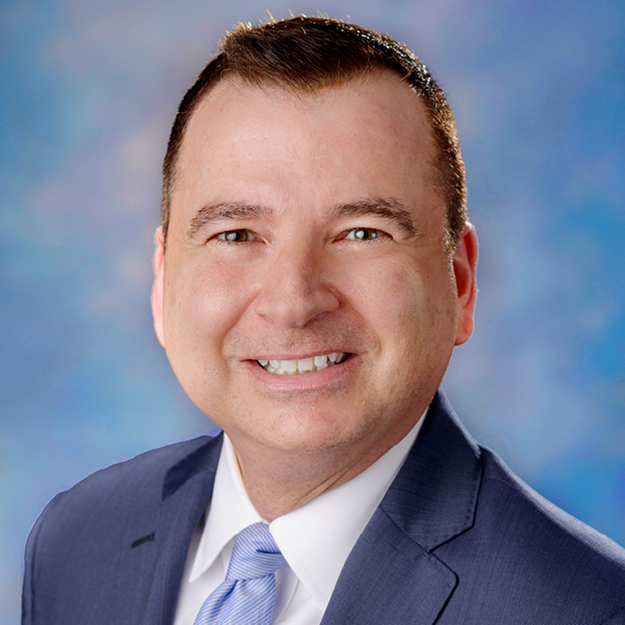
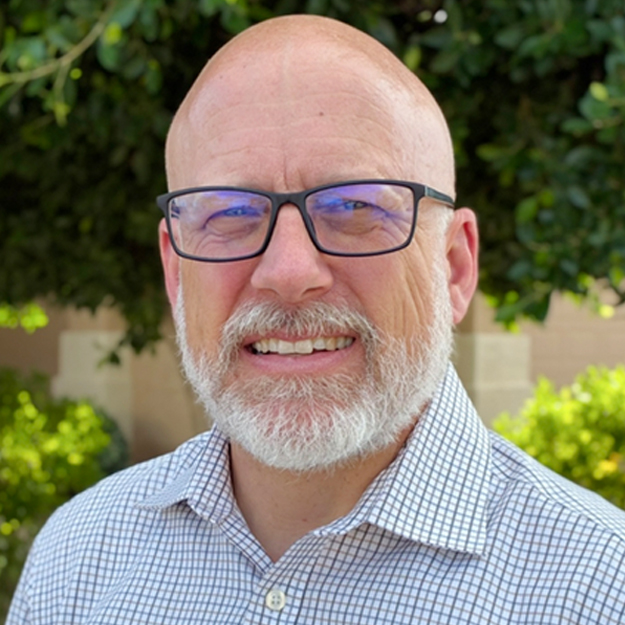
Timothy Renick, Founding Executive Director of the National
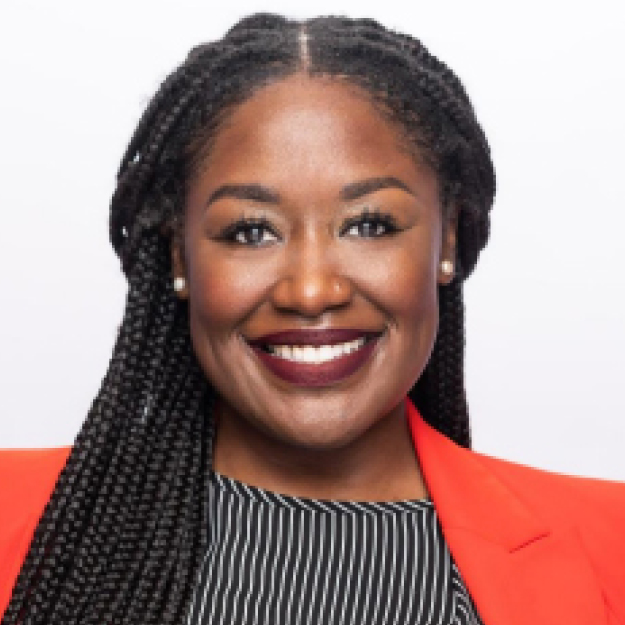
Zainab Okolo, The Jed Foundation
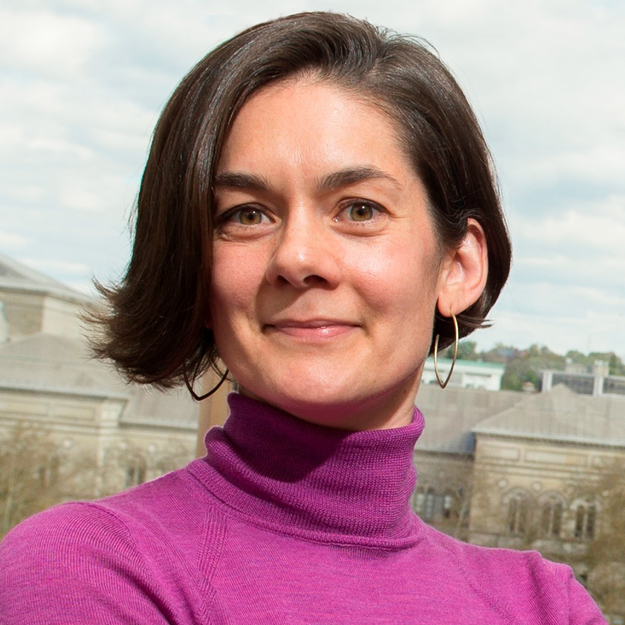
Lindsay C. Page, Annenberg Associate Professor of Education Policy, Brown University
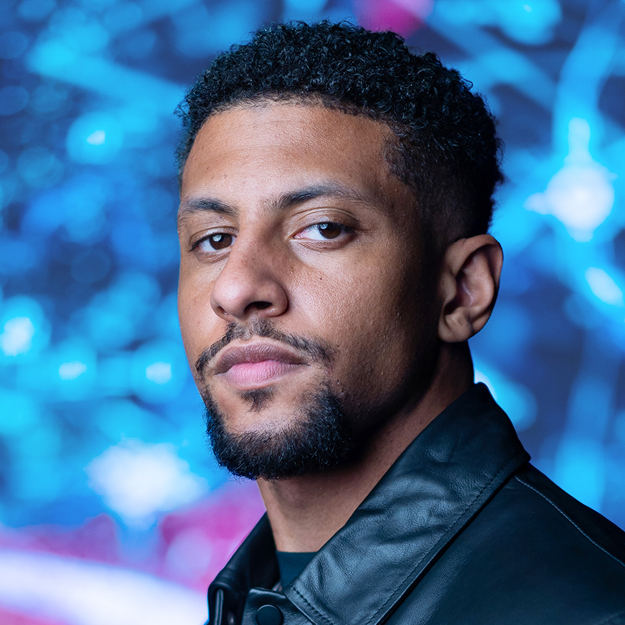
Justin Shaifer, Science TV Show Host & STEM Educator

Moderator: Timothy Renick, Georgia State University
Panelists: Zainab Okolo, The Jed Foundation; Lindsay Page, Brown University; Justin Shaifer, Science TV Host & Producer

Today’s college students are navigating a fast-changing world where technology, uncertainty and social pressures converge to shape how they learn, connect and thrive. This session convenes different prospectives to explore how institutions can better understand and respond to the realities shaping student lives. Leave this presentation with a clearer picture of today’s student mindset and concrete approaches for strengthening the readiness, connection and resilience of students through institutional action.

Timothy Renick is the founding Executive Director of the National Institute for Student Success and Professor of Religious Studies at Georgia State University. Between 2008-2020, he directed the student success efforts of the university, overseeing a 62% improvement in graduation rates and the elimination of all equity gaps based on students’ race, ethnicity, or income level. 

For six consecutive years, Georgia State has graduated more African American students with bachelor’s degrees than any other not-for-profit college or university in the nation. Dr. Renick has testified on strategies for helping university students succeed before the U.S. Senate and has twice been invited to speak at the White House. 

His work has been covered by the New York Times, the Wall Street Journal, Time and CNN and cited by former President Barack Obama. He was named one of the Most Innovative People in Higher Education by Washington Monthly and one of the World’s 50 Greatest Leaders by Fortune magazine. 

Dr. Renick was the recipient of the Award for National Leadership in Student Success Innovation and was awarded the McGraw Prize in Higher Education. He has been principal investigator for more than $50 million in research grants focused on promoting better and more equitable outcomes for college students. 

At Georgia State, he has served as Chair of the Department of Religious Studies, Director of the Honors Program and Senior Vice President. A summa cum laude graduate of Dartmouth College, Dr. Renick holds his M.A. and Ph.D. in Religion from Princeton University. 

Dr. Zainab Okolo is a national leader in higher education policy and youth mental health, known for her bold, systems-level approach to expanding access and accountability across the mental health ecosystem. A trauma-informed, licensed clinician and seasoned policy strategist, she has dedicated her career to dismantling structural barriers that prevent young people from thriving academically, emotionally, and socially.

As Senior Vice President of Policy, Advocacy, and Government Relations at JED, Dr. Okolo drives the organization’s federal and state policy agenda and leads major initiatives that strengthen mental health systems across higher education. She oversees multi-state learning collaboratives, national policy summits, and legislative strategy efforts that convene governors’ offices, state higher education executives, institutional leaders, philanthropic partners, and student advocates to accelerate large-scale change. Her leadership has helped catalyze statewide mental health roadmaps, secure strategic philanthropic investments, and align campus, community, and state systems around comprehensive mental health frameworks.

Dr. Okolo’s impact extends beyond traditional advocacy: she designs replicable systems models that integrate youth voice, data, and policy into actionable solutions for states. She has led efforts to elevate student narratives in federal policymaking, strengthen suicide prevention infrastructures, and guide institutions through complex intersections of policy, finance, and mental health service delivery. Her work has informed federal legislation, shaped statewide collaborative models, and advanced a national movement toward more coordinated and compassionate mental health systems.

Dr. Okolo holds a doctorate in education from The George Washington University, a master’s degree in Marriage and Family Therapy from Syracuse University, and a bachelor’s degree in Family Science from the University of Maryland, College Park. A proud Washington, D.C. native, she continues to shape national conversations on mental health access, systems transformation, and student success, championing a future in which every young person can flourish

Lindsay C. Page is the Annenberg Associate Professor of Education Policy at Brown University and is a research associate of the National Bureau of Economic Research. Her work focuses on quantitative methods and their application to questions regarding the effectiveness of educational policies and programs across the pre-school to postsecondary spectrum. Much of her work has involved large-scale experimental or quasi-experimental studies to investigate the causal effects strategies for improving students’ transition to and through college. She is particularly interested in policy efforts to improve college access and success for students who would be first in their family to reach postsecondary education. She holds a doctorate in quantitative policy analysis and master’s degrees in statistics and in education policy from Harvard University. She earned her bachelor’s degree from Dartmouth College.

Recently named Forbes 30 under 30, Justin “Mr. Fascinate” Shaifer is the Science and Technology thought leader, STEM educator, investor and keynote speaker on a mission to empower the world with innovation. At Fascinate Media, he serves as both executive producer and on-camera talent, creating inspiring content about innovation, AI & STEM literacy, and the Future of Work. His roster of past clients and collaborators include LinkedIn, Intuit, NVIDIA, Google, PBS, Bill Nye the Science Guy, and Al Roker. His team continues ongoing research and development by producing experimental immersive projects using AI tools; such as Generative AI, AI Agents, Unreal Engine and Virtual Reality.

Named a LinkedIn Top Voice in Technology, Justin curates dynamic content reaching millions of educators and corporate professionals online.

As a south-side Chicago native raised by a single-parent, Justin is passionate about empowering underrepresented communities. By leveraging his social media, he is able to lead impactful STEM education projects such as the STEM Success Summit – a STEM conference attended by diverse STEM professionals from all over the world.

Justin’s work has reached millions of students, educators, and corporate stakeholders, and has been featured in Forbes, NBC News, Yahoo Finance, AfroTech, and more
Featured Speakers

Miriam Feldblum

President & CEO, Presidents’ Alliance on Higher Education and Immigration

Presenting: The intersection of immigration and higher education
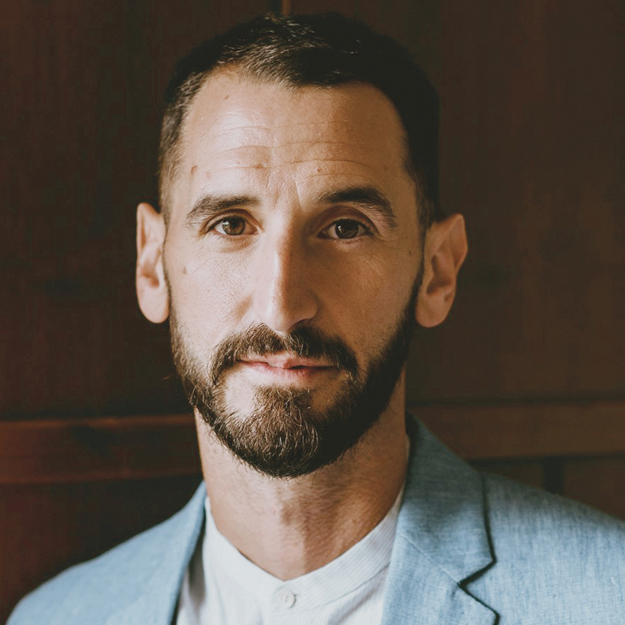
Miriam Feldblum is co-founder, President and CEO of the nonpartisan, nonprofit Presidents’ Alliance on Higher Education and Immigration, an alliance of over 580 public and private colleges and universities. A national expert on the intersection of immigration and higher education, Miriam has written extensively on immigrant, international, and refugee students, immigration policy, and the future of higher education. Miriam has served in leadership and faculty positions at Pomona College, California Institute of Technology, and the University of San Francisco. She received a BA in political science from Barnard College, and MA, MPhil, and Ph.D degrees in political science from Yale University. She is on the Board of TheDream.US, a Public Member of the WASC Senior College and University Commission (WSCUC), and a non-resident fellow at the Migration Policy Institute. 


Jake Hirsch-Allen

Director of Partnerships, The Dais

Presenting: The evolution of microcredentials and the various technologies that support them
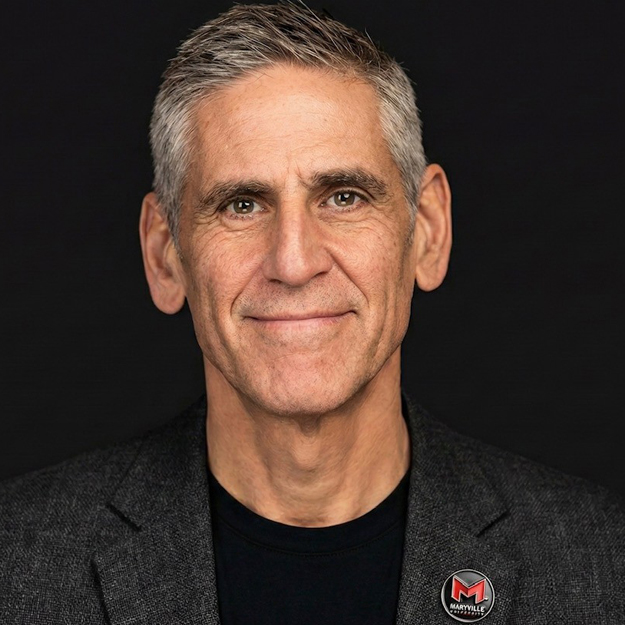
Jake Hirsch-Allen is the head of Partnerships at The Dais, Canada’s leading think tank. Jake previously built public-private partnerships in workforce development and higher education for LinkedIn. 

Jake advises impact investors, public sector leaders and start-ups, including on edTech, responsible tech, ethical data and Public AI. He co-founded Lighthouse Labs and has acted as a director on many boards. A former intellectual property and international criminal lawyer, Jake was also chair of the Technology Committee of the Global Education Platform, taught Global Health at McMaster University and clerked at the Supreme Court of Israel. 


Phil Komarny

Chief Future Officer, Maryville University

Presenting: Building a cohesive, data-first ecosystem that boosts student support and operational efficiency
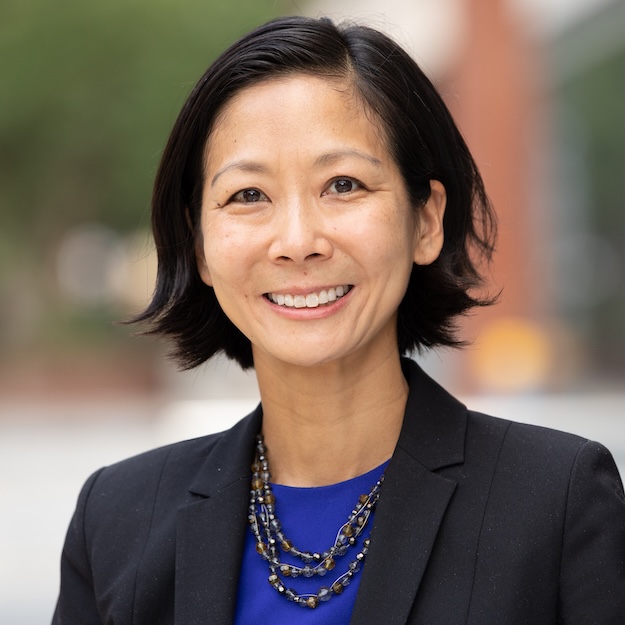
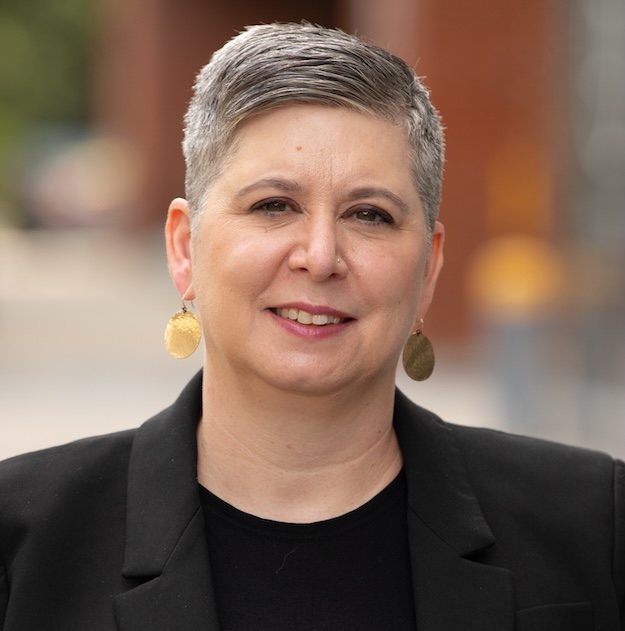
Phil Komarny serves as the Chief Future Officer at Maryville University, where he spearheads the institution’s strategic evolution through the convergence of advanced data analytics, artificial intelligence, and digital ecosystems. With a 25-year career spanning higher education and the enterprise technology sector, Phil is a recognized expert in operationalizing emerging technologies to solve systemic challenges. 

Prior to joining Maryville, Phil served as Vice President of Innovation at Salesforce, where he guided Fortune 50 executives in leveraging decentralized technologies and customer-centric data strategies. His background includes tenure as Chief Digital Officer at the University of Texas System and Chief Information Officer at Seton Hill University, where he architected the nation’s first comprehensive 1:1 mobile learning initiative. An award-winning executive, Phil’s work has been recognized by the CIO 100 and the Deloitte Technology Fast 500. At Maryville, he is currently focused on shifting the paradigm of university leadership from rigid legacy structures to adaptive, data-informed orchestration. 


Heidi Tseu and Sarah Spreitzer

American Council on Education

Presenting: Translating state and federal policy changes into institutional strategies

Heidi Tseu is a higher education and government relations professional with experience executing public policy strategies and community engagement initiatives. She comes to ACE from Georgetown University, where she was the associate vice president for local government and community engagement.

Prior to joining Georgetown in 2016, Tseu served in a variety of leadership positions within the Council of the District of Columbia (DC). Tseu was the legislative committee director for DC Council Chairman Phil Mendelson when he served as chair of the Committee on the Judiciary and Public Safety, and she was later senior counsel to Councilmember Tommy Wells during his transition to chairing the committee. Tseu has served on various boards, including the American Civil Liberties Union (ACLU) and the Office of the State Superintendent of Education’s State Office of Career and Technical Education. She currently holds board leadership positions with the Uniform Law Commission and the ACLU of DC.

Tseu is a graduate of The Pennsylvania State University and American University Washington College of Law.

​​​Sarah Spreitzer is Vice President and Chief of Staff, Government Relations at ACE. She represents ACE and its members on matters related to research policy and funding, federal policy, international students, immigration, and legislative issues.

Before joining ACE, Spreitzer held senior positions in higher education advocacy at the University of Missouri System, Lewis-Burke Associates LLC, and the University of Washington’s Office of Federal Relations. At the University of Missouri System, she served as the director of federal relations, working to connect system and campus leadership, as well as faculty and staff, with congressional offices and key science and education agencies to influence federal policy, inform the university of federal opportunities, and position the university within emerging federal initiatives. At Lewis-Burke, she represented an array of public and private institutions of higher education before Congress and the federal agencies, including the University of Illinois System, the University of Southern California, the University of Virginia, and the University of Cincinnati. Before coming to Lewis-Burke, Spreitzer served as the assistant director of the University of Washington’s Office of Federal Relations, where she focused on federal student aid policy and funding, and advocacy efforts with federal science agencies.

Spreitzer has held leadership positions within the higher education community, including chairing working groups on higher education for the Association of American Universities (AAU) and the Association of Public and Land-grant Universities (APLU. In addition, she has served as the vice chair of the AAU Council on Federal Relations steering committee and the co-chair of the APLU Council of Government Affairs.

Spreitzer received a bachelor’s degree in anthropology from Beloit College in Wisconsin and a master’s degree in medieval studies from the Catholic University of America in Washington, DC. She is a founding board member of the Creative Minds International Public Charter School, a growing charter school in the Petworth neighborhood of Washington, DC.​​​​​​​​​

Featured Workshop

Civic Engagement Workshop

Led by Brian Dille

Residential Faculty, Mesa Community College

Brian Dille received a Ph.D. in Political Science from Arizona State University, emphasizing the political psychology of foreign policy decision making. He has taught political science at Mesa Community College since 1999. In addition to teaching courses in international relations and American government, he directs the Model United Nations program and leads civic engagement efforts in the Maricopa system.  

In response to a general feeling that Americans had forgotten how to talk to each other, in 2022 Brian convened a working group of several civic organizations in Arizona, and together they developed Creating Community, a workforce development tool for use in industry and organizations. These modules discuss how to develop soft skills, reach consensus, and have difficult conversations in difficult times.